Elevate Your Projects with 3D Embossed Texture Backgrounds
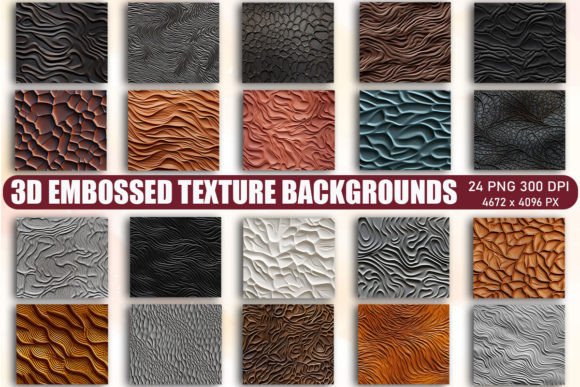
There's a certain tactile quality to great design that makes you want to reach out and touch it. That's the power of 3D Embossed Texture Backgrounds. These aren't just flat images; they're digital surfaces that mimic the look of raised patterns, creating an immediate sense of depth, luxury, and craftsmanship. Imagine the subtle indentations of leather, the intricate weave of fabric, or the sophisticated relief of a geometric pattern—all captured in high-resolution files ready to transform your creative work. This collection of 24 PNG files, sized at a generous 4672 x 4096 pixels and rendered at 300 DPI, provides a versatile foundation for adding physical realism and professional polish to any project.
Where Dimension Meets Design: Practical Applications
The true value of these 3D Embossed Texture Backgrounds lies in their versatility. They function as more than just a background; they become a central design element that influences the entire project's mood. For graphic design professionals, they offer a quick way to add depth to social media banners, website hero sections, or web backgrounds without complex 3D modeling. The high resolution ensures they look crisp even when scaled, making them ideal for large-format printing like posters and banners.
For those in branding and marketing, these textures can significantly elevate brand identity materials. Use them as the backdrop for a logo design presentation to give it a tangible context, or incorporate them into packaging design mockups to simulate luxury finishes. Entrepreneurs and small business owners can leverage them to create premium-looking cards, invitations, and scrapbooking elements that stand out. The raised pattern backgrounds lend an air of sophistication to any editorial design, from magazine layouts to report covers, instantly communicating quality and attention to detail.
Integrating Texture for Impactful Visual Communication
Using an embossed surface background effectively is about understanding its role in your visual hierarchy. A strong texture can anchor a design, providing a rich foundation that makes foreground elements like typography and imagery pop. When selecting a 3D texture backdrop, consider the personality of the pattern. A subtle linen weave conveys approachability and warmth, perfect for lifestyle blogs or artisan product branding. A sharp, geometric raised pattern might align better with tech startups or modern architectural firms, suggesting precision and innovation.
The key is to ensure the texture supports, rather than overwhelms, your message. Test it with your primary typeface choices. A bold display font or serif font often pairs well with a pronounced texture, while a clean sans serif font might require a more subdued background to maintain readability. Always preview your design on different devices, as the note reminds us that colors can vary. This testing phase is crucial for maintaining visual hierarchy and ensuring your brand perception remains consistent and professional across all touchpoints.
A Practical Guide to Using Your Texture Pack
This collection is designed as a set of design assets to streamline your workflow. Since the files are high-resolution PNGs, they are incredibly flexible. You can resize them significantly to fit your needs without losing quality, a major advantage for varied applications from a small business card to a wide website header. Remember, these are not SVG files and are not layered for cutting, which is important to know if you're working on projects that require vector-based cutting paths.
When incorporating these embossed texture backgrounds, think about layering and blending modes in your design software. Experiment with opacity and blending modes like "Multiply" or "Overlay" to integrate the texture seamlessly with other color layers or images. This technique allows you to tint the texture to match your brand identity color palette, ensuring perfect harmony. For craft projects and digital scrapbooking, the high DPI makes them excellent for printing on textured cardstock or photo paper, creating a cohesive physical product that mirrors the digital design.
Ultimately, these assets are about saving time and elevating quality. They provide an instant solution for adding the modern typography and design trend of tactile, realistic textures. Whether you're a blogger creating a featured image, a designer building a brand kit, or a crafter personalizing invitations, starting with a professional 3D embossed texture sets a high bar for the entire project. It's a practical shortcut to achieving a polished, premium look that engages your audience and strengthens your creative output.