Marble Textures Backgrounds: Elevate Your Craft and Design Projects
There's a reason marble has captivated artists and designers for centuries. Its organic veining, subtle color shifts, and inherent sense of luxury make it a timeless element in visual storytelling. In the digital realm, Marble Textures Backgrounds capture this classic appeal, offering a versatile foundation for countless creative projects. This collection provides the sophisticated, organic feel of natural stone, ready to be layered into your work.
Understanding the Visual Language of Marble
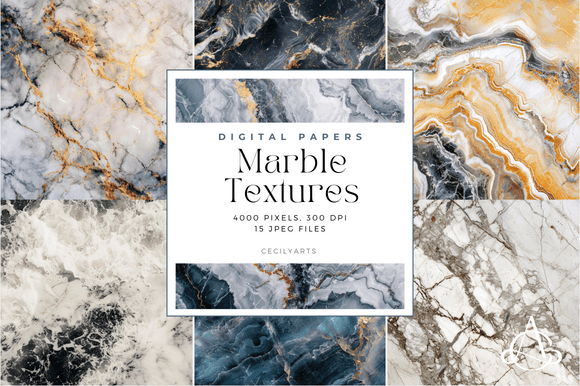
Unlike a flat color or a simple gradient, marble texture introduces depth, movement, and a touch of nature's artistry. The visual characteristics are key to its appeal. You'll find soft, flowing veins that create a sense of direction and elegance, paired with a nuanced, often cool-toned palette that ranges from crisp whites and grays to warm beiges and dramatic blacks. This isn't just a background; it's a design element with its own personality—calm, luxurious, and inherently artistic. It can feel modern and minimalist or classic and ornate, depending on the specific pattern and accompanying design choices.
This versatility makes marble texture a powerful tool for establishing mood. A subtle, light gray marble can evoke cleanliness and professionalism, perfect for a tech startup's website. A deep, dramatic black marble with gold veining speaks of opulence and high-end branding. For crafters and digital designers, this means a single asset pack can serve a wide range of aesthetic goals.
Practical Applications Across Creative Fields
The true value of a premium design asset like this lies in its adaptability. Let's break down where these backgrounds can make a significant impact.
For Branding and Marketing
Building a cohesive brand identity requires consistent, high-quality visual elements. Marble textures can become a cornerstone of your brand's look and feel. Use them as backgrounds for your social media graphics to instantly add a layer of polish. They work beautifully behind product photography in e-commerce, especially for jewelry, cosmetics, or luxury goods, where the texture complements the product's own value. In presentation decks or media kits, a marble background can elevate the entire document, making information appear more authoritative and thoughtfully designed.
For Digital and Print Publishing
Bloggers and content creators constantly need fresh visual elements to keep their sites engaging. A marble texture can serve as a hero image background, a section divider, or a frame for pull quotes. For print, the applications are equally rich. Think of wedding invitations, menu cards, or program booklets where marble adds a touch of formality and beauty. The high-resolution files included in this collection (4000x4000 pixels at 300 DPI) ensure they are print-ready, making them suitable for commercial printing projects without loss of quality.
For Crafters and DIY Projects
This is where the digital paper concept truly shines for hobbyists. Scrapbookers can use marble textures as a base layer for page layouts, allowing photos and memorabilia to stand out against a sophisticated backdrop. Card makers can create stunning, professional-looking cards for any occasion. The texture adds interest without overwhelming the central message. For digital planners or journaling, these backgrounds can customize pages, making the planning experience more personal and visually inspiring.
Integrating Marble Textures into Your Workflow
Having a beautiful asset is one thing; using it effectively is another. Here’s some practical guidance on getting the most out of your marble backgrounds.
Evaluate Project Fit: Consider the overall tone of your project. Marble generally conveys elegance, but the specific variant matters. A bright, clean marble suits a wellness blog, while a richer, veined marble might be better for a financial advisor's brochure. Always ask if the texture supports or distracts from your core message.
Test Font Pairings: This is crucial. The organic, detailed nature of marble provides a perfect counterpoint to clean, structured typefaces. Try pairing it with a modern sans serif font for a contemporary, balanced look. A classic serif font can create a more traditional, luxurious feel. Avoid overly ornate or script fonts as primary text, as they can become difficult to read against the detailed background. Use such creative fonts sparingly for accents or headlines where readability at a glance is guaranteed.
Consider Readability and Hierarchy: When placing text over marble, ensure sufficient contrast. You might need to add a semi-transparent overlay (a light white or dark gray box) behind paragraphs of text to guarantee readability. Use the marble texture to frame key elements, like a logo or a call-to-action button, drawing the eye naturally.
Leverage the Full Collection: Don't just use one file. The 15 different JPEGs in this collection offer variety. You can use one consistent texture across all brand materials for cohesion, or select different ones for different campaigns to keep your visuals fresh while maintaining a thematic link. This consistency is a hallmark of professional design assets and strengthens brand identity.
Making the Most of Your Investment
This collection is delivered as a zip file containing 15 high-resolution, print-ready files. The RGB color mode is optimized for digital screens, but the 300 DPI resolution ensures they translate well to print. As a digital download, you have instant access to start creating immediately.
Finally, a note on community. If these backgrounds help bring your creative vision to life—whether it's a client's logo design, a set of social media graphics, or a personal scrapbook—sharing your experience through a review is incredibly valuable. It helps other makers and designers find resources that work, and it supports the continued creation of quality design tools.
Ultimately, marble textures are more than just a trend. They are a versatile, timeless design tool that can add depth, professionalism, and a touch of natural beauty to nearly any project. By understanding their characteristics and applying them thoughtfully, you can transform a simple layout into something truly special.